Home » FAQs » Electronics » Transport of Lithium Ion Batteries
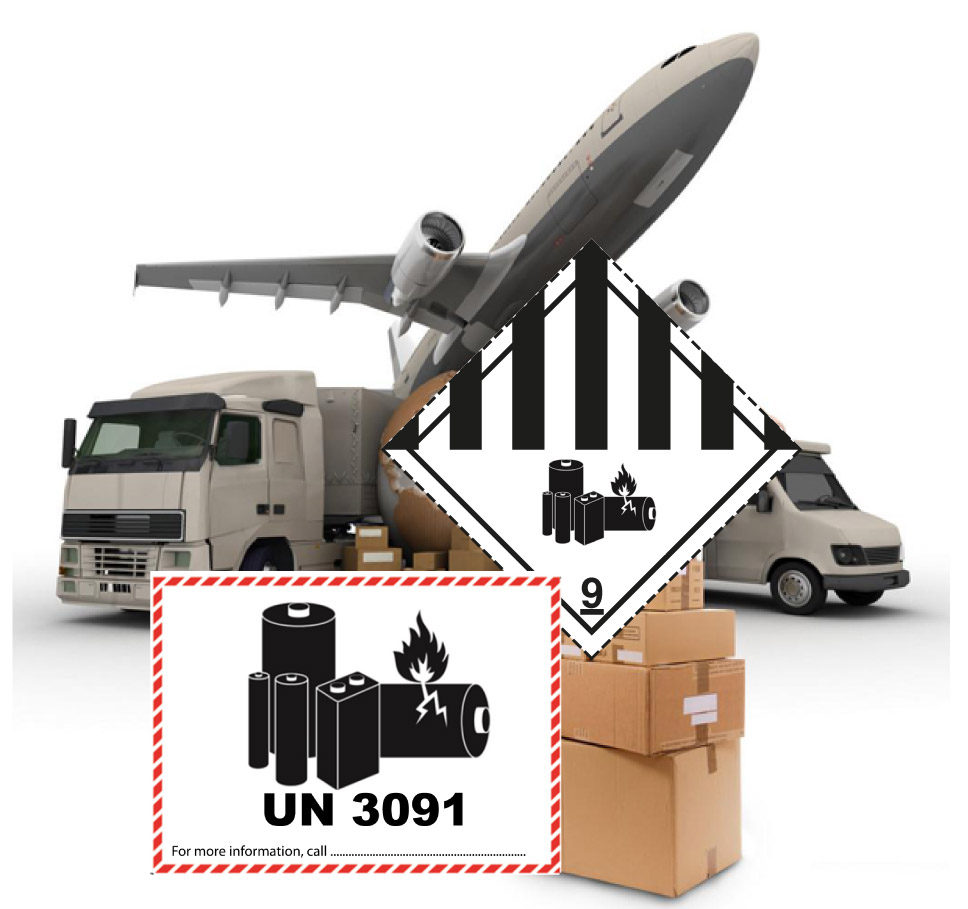
1. DG: New Batteries which are transported by courier services, by Air-, Train-, Ship- and Truck-transport are allowed to have a MAX 30% SOC (State Of Charge, meaning how full is the battery in %), it is mandatory. Test and daily practice have proven that is the safest way and the most secure option nothing will happen (like catch fire, etc.). The Batteries are considered DG (Dangerous Goods) and fall under the same category as: bullets, explosives, flammable goods, radio active material, etc.
2. Transport of New Batteries IN a Device (as example mounted or attached to a eBike) DON’T fall under DG goods and are easier to transport, less regulation. But the 30% SOC still applies. Of course ANY DG Good shipped by AIR is under strict restrictions (like limited amount of KG on a flight/plane, special containers, etc.).
3. Shipping DG goods as a consumer by AIR is very very difficult or even impossible. There are some companies specialised in this, but it can be costly.
4. When storing Lithium Ion Batteries for a longer period (like storing ebike batteries for the winter, a few months), a charge of 65% is considered the best (65% SOC). Practical tests have proven at 65% your battery drains the slowest, which is the best for a Lithium Ion Battery. If you cannot charge/measure exactly 65%, then the advise would be between 50%-75% when you have, as example, 4 bars on you display indicating the amount of charge of your battery. If you have another display system; as close as possible to 65% (or just above half charged).
5. When you want/need to transport a eBike Battery you have these options:
A. With the ebike together, mounted in/on the eBike. (see point 2.) Then you can transport yourself or ship by truck, train and boat using a transport company. Then again a 65% SOC would be good, although some transport companies still insist a 30% SOC, juts drain your battery till that amount approximate.
B. Shipping a battery alone, can be challenging, especially when it is not new. When you go the official route and inform the transport company about it (I want to transport a big heavy used ebike battery of 500-1000Wh), you have a good chance they will reject. A used battery, shaken on a ebike when used/driving, could have fallen on the ground, could be not well maintained, could be badly charged (wrong charger), etc. A lot of COULD’s but transport companies are not willing to take the risk and have it difficult to get insurance which covers anything in case of any damage (fire, explosion, etc.).
C. The easiest is: 30-65% SOC, put in a box with good protection around it (in case of the package will fall, bump into other products, etc.) and ship it via road-transport like a truck or train if possible.
D. When you move from one country to another: best is in your ebike and just add it to the other goods you ship to your new location, example by truck or in a container by ship.
E. Some people were really not able to take the battery with them and sold locally their existing battery and bought a new one on their new location.
Happy choosing 🔋and drive safe 🚲
When you have any question, feel free to reach out to us.